My Cart


 All Products
 Fasteners

 Pneumatic Fittings
 Brass Fittings
 Hand tools

 Bearings and Grease

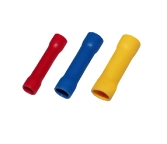
 Electrical Terminal


 Zinc Plating
 Nut and Screw
 Product Packaging







Technical information
Selecting Terminal Lugs for Wire
Connections
In electrical work, consideration
should be given to wire connection specifications, construction materials,
insulation covering, and connection methods appropriate for the specific
application as follows
1. Wire Size : Select terminal lugs that can adequately accommodate the wire gauge used in the application, as inappropriate lug selection may result in incomplete electrical conduction or potential damage.
2. Material : Consider the material composition of the terminal lug, such as copper which offers excellent electrical conductivity and corrosion resistance, aluminum which provides lightweight properties and corrosion resistance, or brass which demonstrates superior resistance to corrosion and oxidation.
3. Insulation : Determine whether insulated terminal lugs are required to prevent hazardous contact with conductors that could cause electrical shock hazards, as insulated lugs help reduce the risk of electrical shock incidents.
4. Termination Method : Choose the appropriate connection method
suitable for the application, as terminal lugs can be connected through
crimping, soldering, or screw-type mechanisms, provided they are appropriate
for the operational requirements and application specifications.



Contact
Boonsan Fasteners Limited Partnership.
1874, 1874/1-3 Moo 4, Soi Narai 2,
Theparak Road, Mueang District,
Samut Prakan Province, 10270
Tel. : 02-026-6558
Open : 08.00-17.00 Mon-Sat
 Boonsanfast
  @boonsanfast
  www.boonsanfasteners.com
  ecom_order@boonsanfasteners.com
 Payment Method