My Cart


 All Products
 Fasteners

 Pneumatic Fittings
 Brass Fittings
 Hand tools
 Bearings and Grease
 Electrical Terminal


 Zinc Plating
 Nut and Screw
 Product Packaging


What is the difference between stainless steel and zinc-plated steel screws?
What is the difference between stainless steel and zinc-plated steel screws?
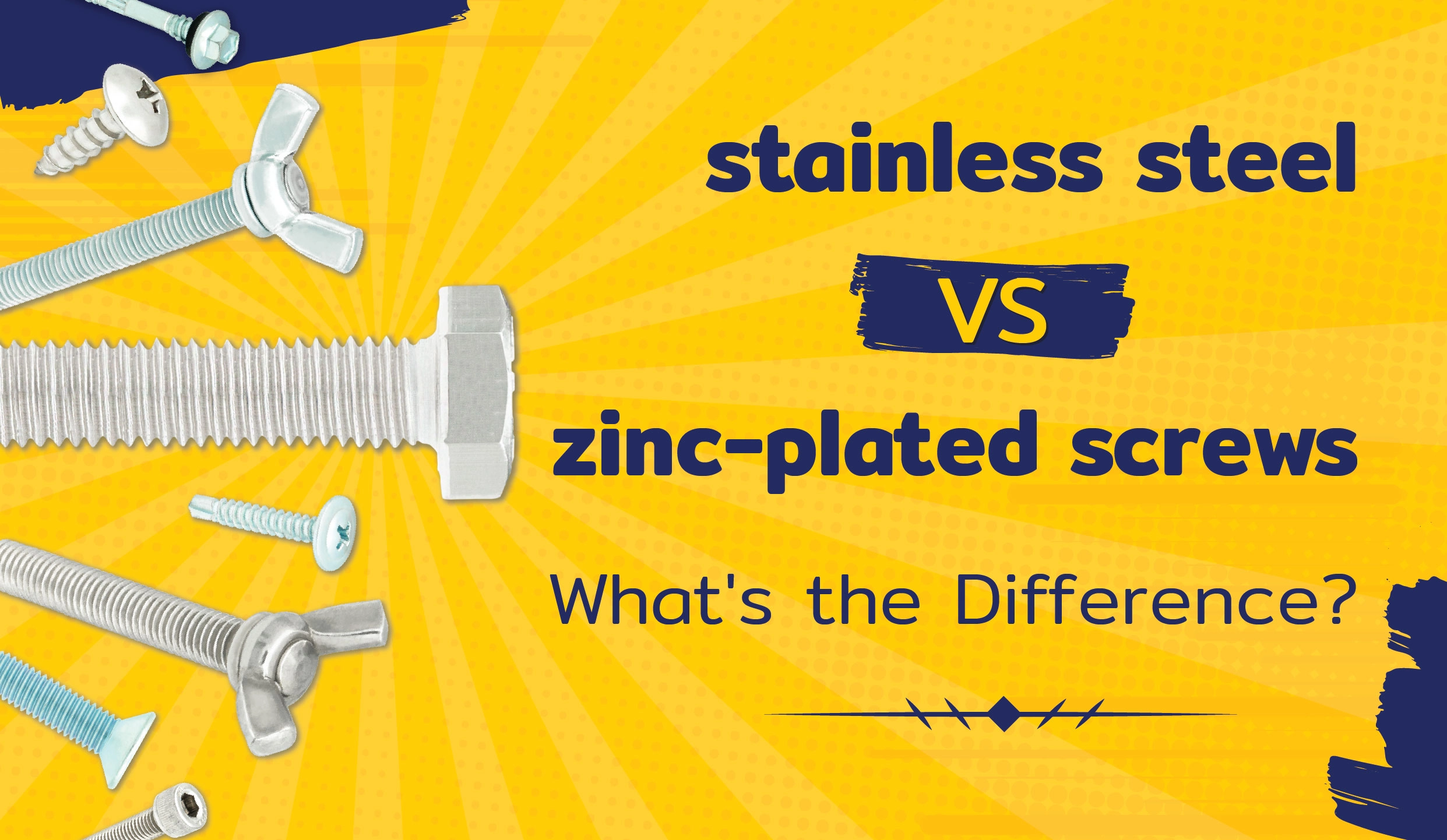
A detailed comparison between stainless steel screws and zinc-plated steel screws, including durability, pricing, and suitability for different types of applications, to help you choose the most suitable and cost- effective option.
One of the most common questions customers ask when buying screws is, “Which one should I choose: stainless steel or zinc-plated?” The answer depends on the type of application and the environment in which the screws will be used. This article will help you make the right decision while saving both time and money.
 ยาวไปอยากเลือกอ่าน
What are stainless steel screws and zinc-plated steel screws?
|
What is a stainless steel screws? Stainless steel screws are made from stainless steel containing at least 10.5% chromium, which gives them excellent resistance to corrosion and moisture. They offer outstanding rust resistance even when exposed to water for long periods, perform well in humid and harsh weather conditions, and resist reactions with many chemicals. Stainless steel screws also provide a long service life and an attractive appearance, making them ideal for visible applications.
Limitations
|

|
What is a zinc-plated steel screws? Zinc-plated steel screws are made from carbon steel and coated with a layer of zinc to provide a certain level of rust protection. They are a popular choice for general applications due to their affordable price, making them suitable for large-volume projects. They also offer good strength, high load-bearing capability, and are widely available.
Limitations
|

How to Choose the Right Option for Your Application


Common Stainless Steel Grades You Should Know
FAQ
Summary: Which Option Offers the Best Value?
Stainless steel screws and zinc-plated steel screws each offer distinct advantages. If you need strong corrosion resistance, long service life, and outdoor performance, stainless steel screws are the better choice. However, for general indoor applications where budget is a priority, zinc-plated screws provide a cost-effective solution.
Choosing the right fastener for the application helps improve structural strength, reduce maintenance issues, and extend the service life of structures and machinery more effectively.
แชร์ :




Contact
Boonsan Fasteners Limited Partnership.
1874, 1874/1-3 Moo 4, Soi Narai 2,
Theparak Road, Mueang District,
Samut Prakan Province, 10270
Tel. : 02-026-6558
Open : 08.00-17.00 Mon-Sat
 Boonsanfast
  @boonsanfast
  www.boonsanfasteners.com
  ecom_order@boonsanfasteners.com
 Payment Method